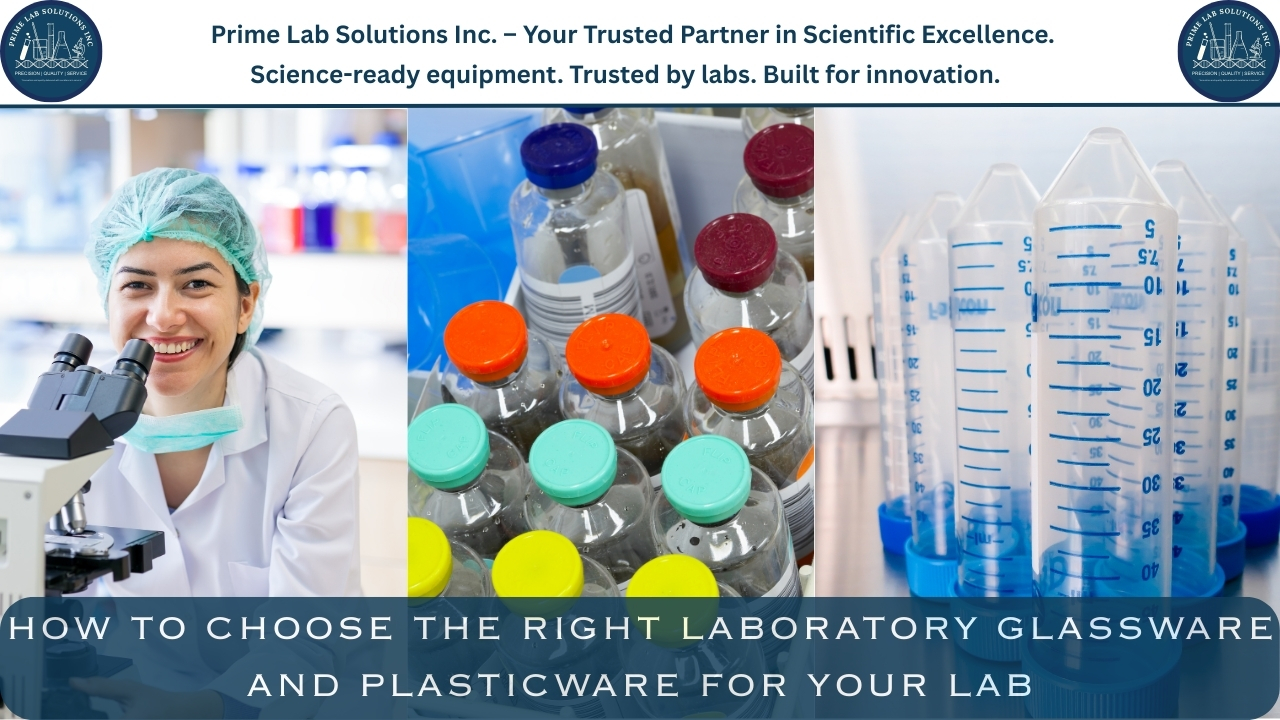
How to Choose the Right Laboratory Glassware and Plasticware for Your Lab
Laboratories depend on reliable equipment and consumables to maintain accuracy, safety, and consistent results. Yet one of the most common operational challenges laboratories face is selecting the correct glassware or plasticware for specific applications.
Using the wrong type of lab container or instrument can lead to contamination, inaccurate measurements, chemical reactions, or unnecessary operational costs.
Understanding the differences between laboratory glassware and plasticware helps laboratories improve workflow efficiency while maintaining reliable experimental results.
In this guide, we explore how laboratories can determine when to use glass labware, when plastic labware is preferable, and how to optimize lab supply strategies.
Why Choosing the Right Labware Matters
Laboratories handle sensitive samples, chemicals, biological materials, and analytical testing processes every day. The materials used in lab containers directly affect the integrity of experiments and testing procedures.
Choosing appropriate labware impacts:
• chemical compatibility
• contamination risk
• temperature resistance
• durability and breakage risk
• long-term consumable costs
For these reasons, most professional laboratories maintain both glass and plastic labware inventories depending on the application requirements.
When Laboratory Glassware Is the Best Option
Glass labware has been a cornerstone of laboratory environments for decades due to its chemical resistance, heat tolerance, and precision.
Advantages of Laboratory Glassware
High Chemical Resistance
Borosilicate glass is resistant to many aggressive chemicals and solvents commonly used in pharmaceutical, environmental, and analytical laboratories.
Excellent Heat Stability
Glass labware can withstand high temperatures, making it suitable for heating applications, sterilization, and autoclaving procedures.
High Precision Measurements
Glass volumetric flasks, burettes, and graduated cylinders provide extremely accurate measurements required for analytical chemistry and research laboratories.
Common Types of Laboratory Glassware
Laboratories commonly use glass equipment such as:
• beakers
• volumetric flasks
• Erlenmeyer flasks
• laboratory bottles
• chromatography vials
• graduated cylinders
These instruments remain essential in research, pharmaceutical development, environmental testing, and academic laboratories.
When Plastic Laboratory Ware Is the Better Choice
Modern laboratories increasingly rely on plastic labware for applications where safety, durability, and cost efficiency are critical.
Plastic labware has advanced significantly and now offers high chemical resistance and disposable convenience.
Advantages of Plastic Labware
Reduced Breakage Risk
Plastic containers eliminate many of the safety hazards associated with broken glass in busy laboratory environments.
Lightweight and Easy Handling
Plastic labware is easier to transport, store, and handle, particularly in high-volume laboratories.
Ideal for Disposable Applications
Plastic labware is widely used for single-use procedures where contamination must be minimized.
Common Plastic Labware Used in Laboratories
Examples include:
• centrifuge tubes
• reagent bottles
• sample containers
• pipette tips
• specimen containers
Plasticware is frequently used in:
• clinical laboratories
• biological research labs
• diagnostic testing facilities
• food safety laboratories
• environmental testing labs
Key Factors When Selecting Laboratory Labware
When choosing between glass and plastic labware, laboratories should evaluate several important considerations.
Chemical Compatibility
Certain chemicals may react with specific plastics or degrade certain materials. Confirm compatibility before selecting lab containers.
Temperature Requirements
Applications involving high heat typically require borosilicate glassware, which offers excellent thermal stability.
Contamination Prevention
Disposable plastic labware is often preferred for sensitive biological or diagnostic procedures to prevent cross-contamination.
Durability and Safety
Plastic containers are often selected in laboratories where high sample throughput increases the risk of breakage.
Selecting the right materials helps laboratories maintain accurate results and safe working environments.
Improving Laboratory Supply Efficiency
Laboratories often experience operational disruptions due to supply shortages, delayed shipments, or limited supplier availability.
Maintaining dependable lab supply partners helps ensure smooth laboratory operations.
Many laboratories maintain multiple suppliers for laboratory consumables in order to:
• avoid supply interruptions
• compare pricing options
• obtain faster deliveries
• maintain consistent inventory levels
Reliable supply partners help laboratories operate efficiently without delays in testing or research.
Supporting Laboratories With Reliable Lab Supplies
Prime Lab Solutions supports research institutions, testing laboratories, and industrial labs with dependable laboratory consumables.
Our supply portfolio includes:
• laboratory glassware
• plasticware supplies
• sample containers and bottles
• analytical laboratory consumables
We focus on providing laboratories with quick quote response, reliable availability, and competitive pricing to support daily research and testing operations.
Final Thoughts
Selecting between laboratory glassware and plasticware depends on the specific application, safety considerations, and workflow requirements of each laboratory.
Most laboratories rely on a combination of both materials to maintain operational flexibility and ensure accurate results.
Understanding the strengths of each type of labware helps laboratories operate more efficiently while maintaining scientific precision.
Need laboratory glassware or plasticware supplies?
Prime Lab Solutions supports laboratories with reliable consumable supplies and fast quote turnaround for research and analytical environments.